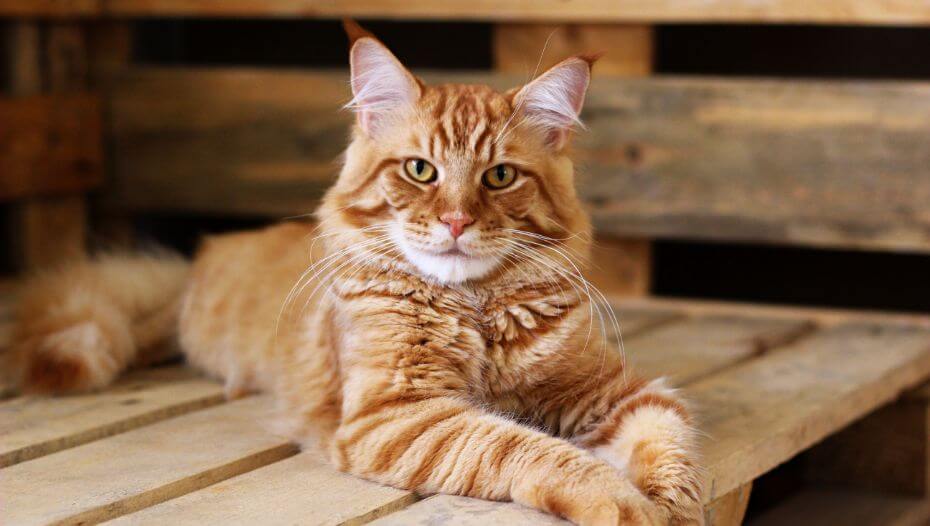
Maine Coon Breeding, Maine Coon breeding is both an art and a science that requires dedication, knowledge, and a deep respect for the health and well-being of the cats. Known for their large size, friendly personalities, and luxurious coats, Maine Coons are one of the most محبوب and recognizable cat breeds in the world. However, breeding them responsibly involves much more than simply pairing two cats together.
Understanding the Maine Coon Breed
Before starting with Maine Coon breeding, it is essential to understand the breed’s characteristics. Maine Coons are gentle giants, often weighing between 10 to 25 pounds. They are known for their intelligence, sociable nature, and adaptability, making them excellent companions.
Their long, thick fur requires regular grooming, and their playful yet calm temperament makes them suitable for families, including those with children and other pets.
The Importance of Responsible Breeding
Maine Coon breeding should always prioritize the health and genetic integrity of the breed. Ethical breeders focus on:
- Maintaining breed standards
- Preventing hereditary diseases
- Ensuring proper socialization of kittens
- Providing a safe and clean environment
Irresponsible breeding can lead to serious health issues, including heart disease and hip dysplasia, which are sometimes seen in Maine Coons.
Health Screening and Genetic Testing
A crucial part of Maine Coon breeding is conducting thorough health checks. Breeding cats should be tested for common genetic conditions such as:
- Hypertrophic cardiomyopathy (HCM)
- Hip dysplasia
- Spinal muscular atrophy (SMA)
Regular veterinary care and genetic screening help reduce the risk of passing these conditions to kittens.
Selecting Breeding Pairs
Choosing the right pair is vital in Maine Coon breeding. Breeders must consider:
- Bloodline and pedigree
- Physical traits and conformation
- Temperament
- Genetic compatibility
The goal is to enhance positive traits while minimizing potential health risks.
Breeding Process and Care
The breeding process requires careful timing and monitoring. Female Maine Coons (queens) should only be bred when they are physically mature, typically after 12–18 months of age.
During pregnancy, proper nutrition and regular veterinary check-ups are essential. After birth, kittens need:
- Warm, clean surroundings
- Adequate nutrition
- Early socialization
- Routine health checks
Raising and Socializing Kittens
Socialization plays a key role in Maine Coon breeding. Kittens should be exposed to human interaction and everyday household environments from an early age. This helps them grow into confident, friendly adults.
Responsible breeders also ensure kittens are vaccinated, dewormed, and examined by a veterinarian before being placed in new homes.
Legal and Ethical Considerations
Maine Coon breeding may require licenses or adherence to local animal welfare regulations, depending on your region. Ethical breeders also:
- Avoid overbreeding
- Provide lifetime support to kitten buyers
- Screen potential owners carefully
Challenges in Maine Coon Breeding
Breeding Maine Coons can be challenging and costly. Common difficulties include:
- High veterinary expenses
- Managing genetic health risks
- Finding suitable breeding pairs
- Time-intensive care for kittens
Despite these challenges, responsible breeding can be a rewarding experience when done correctly.
Conclusion
Maine Coon breeding is a serious commitment that goes far beyond producing kittens. It requires knowledge, patience, and a strong ethical foundation. By focusing on health, temperament, and proper care, breeders can help preserve and improve this magnificent breed for future generations.