Maine Coon Cat Tail, The maine coon cat tail is one of the most striking and recognizable features of this beloved breed. Known for its impressive length, bushy appearance, and graceful movement, the tail of a Maine Coon is more than just a beautiful accessory—it plays an essential role in the cat’s daily life. In this article, we’ll explore everything you need to know about the Maine Coon cat tail, from its physical characteristics to its practical uses and proper care.
What Makes the Maine Coon Cat Tail Unique?
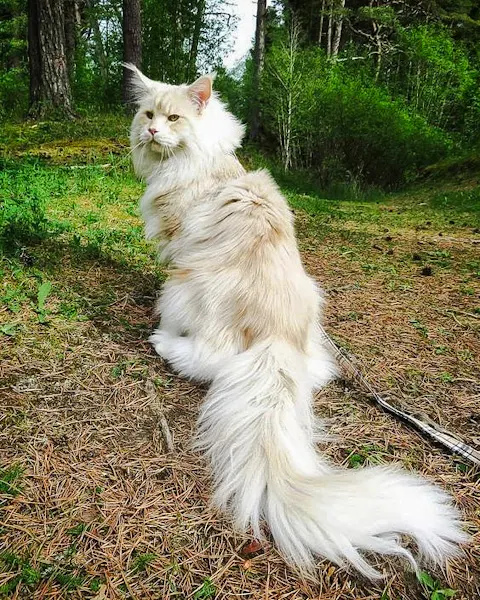
The Maine Coon is one of the largest domesticated cat breeds, and its tail reflects that grandeur. A typical maine coon cat tail can measure up to 12–16 inches long, sometimes even longer in fully grown adults. It is:
-
Thick and bushy: The tail is covered with long, dense fur that gives it a plume-like appearance.
-
Wide at the base: It tapers slightly toward the tip but remains full throughout.
-
Highly flexible: Despite its size, the tail is agile and expressive.
This luxurious tail often resembles that of a raccoon, which is one reason the breed was historically nicknamed the “coon cat.”
Functions of a Maine Coon Cat Tail
While the tail is undeniably beautiful, it also serves several important purposes in a Maine Coon’s life.
1. Balance and Agility
Like all cats, Maine Coons rely on their tails for balance. Whether climbing, jumping, or navigating narrow surfaces, the maine coon cat tail helps stabilize their movements.
2. Warmth and Protection
Originating from cold climates, Maine Coons use their tails like a built-in blanket. They often wrap their tails around their bodies or faces while sleeping to conserve heat and stay warm.
3. Communication
A Maine Coon’s tail is a powerful communication tool. Its position and movement can indicate mood:
-
Upright tail: Friendly and confident
-
Puffed tail: Fear or aggression
-
Slow swishing: Focus or mild irritation
4. Expression of Personality
Maine Coons are known for their gentle and social nature. Their tails often reflect their playful and affectionate personalities, frequently flicking or curling when interacting with humans.
Growth and Development of the Tail
Kittens are born with relatively short tails, but as they grow, the maine coon cat tail develops into its signature long, flowing form. Full tail length and fluffiness are typically reached by 2–4 years of age, which is when Maine Coons reach full maturity.
Factors that influence tail development include:
-
Genetics
-
Nutrition
-
Overall health
Grooming and Care Tips
Because of its length and dense fur, the Maine Coon cat tail requires regular care to keep it healthy and beautiful.
Regular Brushing
Brush the tail 2–3 times a week to prevent tangles and matting. Use a wide-tooth comb or a soft-bristle brush to avoid pulling on the fur.
Check for Mats
The thick fur can easily develop knots, especially near the base. Gently detangle any mats to prevent discomfort.
Keep It Clean
Maine Coons are generally clean cats, but their tails can sometimes pick up dirt. Occasional cleaning with a damp cloth or pet-safe wipes can help.
Watch for Health Issues
A healthy maine coon cat tail should be free of:
-
Bald spots
-
Excessive shedding
-
Skin irritation
If you notice any unusual changes, consult a veterinarian.
Common Myths About Maine Coon Cat Tails
Myth 1: Longer Tail Means Purebred
While Maine Coons are known for long tails, tail length alone does not confirm pedigree.
Myth 2: Their Tails Require Constant Washing
In reality, regular brushing is usually enough. Over-washing can strip natural oils from the fur.
Myth 3: The Tail Is Just for Looks
As discussed, the maine coon cat tail plays a vital role in balance, warmth, and communication.
Why Cat Lovers Admire the Maine Coon Tail
The tail is often one of the first features people notice about a Maine Coon. Its flowing, majestic look adds to the breed’s regal appearance. Beyond aesthetics, it symbolizes the breed’s adaptability, resilience, and charm.
Conclusion
The maine coon cat tail is far more than a decorative feature—it is a multifunctional and essential part of the cat’s anatomy. From helping with balance to providing warmth and expressing emotions, the tail showcases the unique qualities that make Maine Coons so special. With proper care and attention, this magnificent feature will remain healthy, fluffy, and beautiful throughout your cat’s life.
Whether you’re a proud Maine Coon owner or simply a cat enthusiast, understanding the importance of their tail adds a new level of appreciation for this extraordinary breed.