Baby Maine Coon, The baby Maine Coon is one of the most charming and fascinating kittens you can bring into your home. Known for their large size, fluffy coats, and affectionate personalities, Maine Coons are often called “gentle giants” of the cat world. But what makes a baby Maine Coon so special, and how should you care for one? Let’s explore everything you need to know.
What Is a Baby Maine Coon?
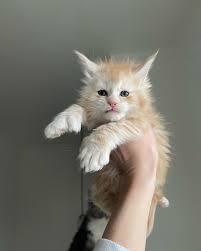
A baby Maine Coon is simply a kitten of the Maine Coon breed, one of the oldest natural cat breeds in North America. These kittens are easily recognizable due to their large paws, tufted ears, and long, bushy tails—even at a young age.
Unlike many other breeds, Maine Coon kittens grow slowly and can take up to 3–5 years to reach their full size. This means your baby Maine Coon will stay playful and kitten-like for a longer period compared to other cats.
Physical Features of a Baby Maine Coon
Even as kittens, Maine Coons have distinctive traits that set them apart:
-
Fluffy Coat: Soft, thick fur that helps them adapt to colder climates
-
Large Paws: Oversized paws that hint at their future size
-
Ear Tufts: Lynx-like tufts on their ears
-
Expressive Eyes: Large, bright eyes full of curiosity
-
Bushy Tail: Long, plume-like tail that grows fuller with age
These features make every baby Maine Coon irresistibly cute and unique.
Personality and Temperament
A baby Maine Coon is not just about looks—they are known for their wonderful personality:
-
Affectionate but Independent: They enjoy being around people but are not overly clingy
-
Highly Intelligent: Easy to train and quick learners
-
Playful Nature: Love interactive toys and games
-
Gentle with Kids and Pets: Great family companions
Their friendly demeanor makes them one of the best cat breeds for households with children or other animals.
Diet and Nutrition for a Baby Maine Coon
Proper nutrition is essential for the healthy growth of your baby Maine Coon. Since they grow larger than most cats, they require a diet rich in:
-
High-quality protein (chicken, fish, or turkey)
-
Essential fatty acids for coat health
-
Vitamins and minerals for bone development
Feeding specially formulated kitten food ensures they get the nutrients they need during their rapid growth phase.
Grooming Needs
Despite their long fur, a baby Maine Coon is relatively easy to groom:
-
Brushing: 2–3 times a week to prevent tangles
-
Bathing: Occasionally, if needed
-
Nail Trimming: Regular trimming for comfort
-
Ear Cleaning: Check for dirt or wax buildup
Starting grooming routines early helps your kitten get comfortable with the process.
Health Considerations
Like all breeds, Maine Coons can be prone to certain health issues, including:
-
Hypertrophic cardiomyopathy (heart condition)
-
Hip dysplasia
-
Spinal muscular atrophy
Regular veterinary check-ups and a healthy lifestyle can help minimize risks and keep your baby Maine Coon thriving.
Training and Socialization
Training a baby Maine Coon is usually a pleasant experience:
-
They respond well to positive reinforcement
-
Can learn tricks like fetching or sitting
-
Enjoy leash training and outdoor walks
Early socialization helps them grow into confident and well-behaved adult cats.
Why Choose a Baby Maine Coon?
There are many reasons why people fall in love with baby Maine Coons:
-
Unique appearance
-
Loving and friendly nature
-
Adaptability to different living environments
-
Long lifespan with proper care
They are perfect companions for both individuals and families looking for a loyal and engaging pet.
Final Thoughts
A baby Maine Coon is more than just a cute kitten—it’s a lifelong companion full of personality, intelligence, and charm. With proper care, nutrition, and love, your Maine Coon will grow into a majestic and affectionate cat that brings joy to your home for years to come.
If you’re considering adopting a baby Maine Coon, be prepared for lots of cuddles, playful moments, and a truly special bond.